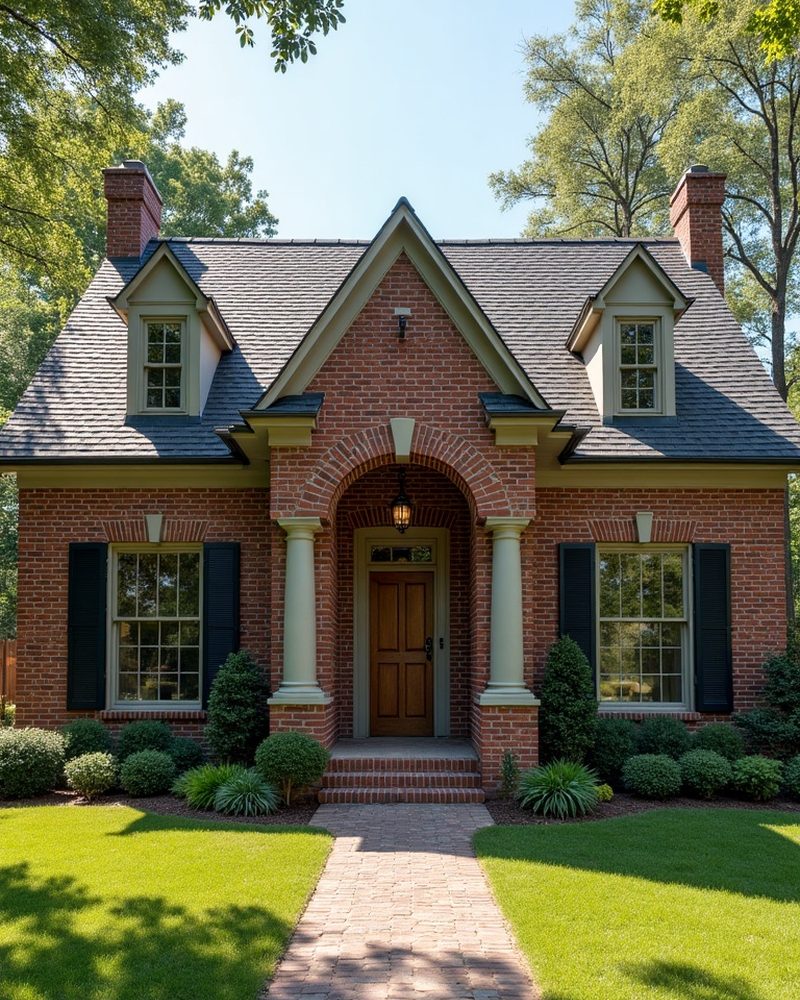
Choosing a home in Gwinnett County is about more than square footage and finishes. Today’s buyers and sellers succeed when they balance lifestyle priorities with long term value drivers unique to Gwinnett County. This guide gives practical, search-friendly insights for people looking for homes for sale in Gwinnett County or planning to sell, and it will remain useful in future market cycles.
Start with a clear priority map. Make a short list that ranks what matters most: commute time, top-rated schools, lot size and privacy, new construction versus resale, walkable retail and dining, or a strong HOA-managed community. That priority map becomes the filter you use when comparing Lawrenceville, Suwanee, Duluth, Buford, Sugar Hill, Dacula, Snellville, Norcross, Lilburn, Grayson and other Gwinnett neighborhoods. Buyers searching “homes for sale in Gwinnett County” who are specific about priorities find better matches faster and reduce time on market if they later sell.
Understand total cost of ownership, not just list price. Property taxes, HOA fees, insurance (including floodplain exposure), utilities and maintenance change the affordability picture. When evaluating affordability, add estimated taxes and HOA fees to your monthly mortgage calculation so you know the true purchase price threshold you can sustain long term.
Focus on features that tend to hold resale value in Gwinnett. Functional floor plans with a main-level primary, energy-efficient upgrades, well-maintained outdoor living space, and modern kitchens and baths usually outperform cosmetic-only updates. Lot orientation and layout matter more than many buyers expect; a flat, usable backyard and good orientation for natural light can be a lasting advantage.
New construction or resale. Both have advantages in Gwinnett. New homes offer modern systems, warranties, and builder financing incentives, but watch build timelines, change orders and lot premiums. Resale homes can offer mature landscaping, established neighborhoods and potential for immediate equity through targeted renovations. Compare the true timeline and soft costs of each path before you commit.
Practical market play for sellers. Price smart from day one using a local comparative market analysis rather than a national heuristic. Invest in top-tier photography, decluttering and strategic minor improvements such as fresh paint, updated lighting, and refreshed landscaping. In many Gwinnett micro-markets, properties priced correctly and staged well generate stronger offers and shorter days on market. A pre-list inspection and a clear list of recent updates also builds buyer confidence.
For buyers, sharpen negotiating power. Get pre-approved early, know local inventory levels in your target city and ask sellers for recent utility costs and HOA rules. In tight inventory markets, be prepared to move quickly and include appraisal and inspection contingencies that protect you while remaining competitive. In higher-inventory markets, take time to compare comparable sales and look for underpriced opportunities that need only modest updates.
Use local data sources to validate decisions. The Gwinnett County property tax assessor, school rating pages, municipal planning documents and recorded subdivision plats are all essential for checking legal lot lines, school assignments, future road projects, and planned commercial developments. These facts influence long term value more than cosmetic trends and are useful whether you are buying or selling.
Neighborhood checklist to use on tours:
- Commute times at peak hours and proximity to major arteries.
- School assignments and alternative education options.
- Walkability to shopping, parks and restaurants.
- Typical lot sizes and yard usability.
- HOA rules and fees and how the HOA enforces standards.
