When you think about buying or selling a home in Gwinnett County today, the smartest approach is to combine local market signals with practical steps that keep value growing for years. This guide lays out specific places to look, factors to weigh, and actions that work whether you are a first time buyer, a move up buyer, or preparing to sell, all with an eye to long term results in Gwinnett County real estate.
Start with the right search parameters so you find homes that perform well over time. Prioritize school zones you expect to remain strong, commute corridors that connect to major employers and transit options, and neighborhoods with a mix of new construction and well maintained resale. Look at towns like Lawrenceville, Suwanee, Buford, Sugar Hill, Dacula, Snellville, Lilburn and Norcross as clusters with different price ranges and lifestyle benefits — knowing the differences helps you set realistic expectations and price points.
Use local data before you make an offer or list a property. Key items to check are recent sale prices for comparable homes, days on market trends by neighborhood, active inventory levels, and any planned road or retail projects that can change demand. Gwinnett County planning department updates, school rezoning notices, and municipal capital improvements are all public and directly influence value. Paying attention to these sources gives you a lead when sellers or buyers have not yet adjusted their expectations.
For buyers deciding between new construction and resale in Gwinnett County, the decision is often about timing, customization, and cost certainty. New builds offer modern systems and warranties but sometimes carry community premiums and longer commute impacts while communities mature. Resale homes may offer established landscaping, immediate access to amenities, and clearer comps for appraisal. Evaluate total ownership costs including property taxes, homeowner association fees, and likely maintenance over the first five years.
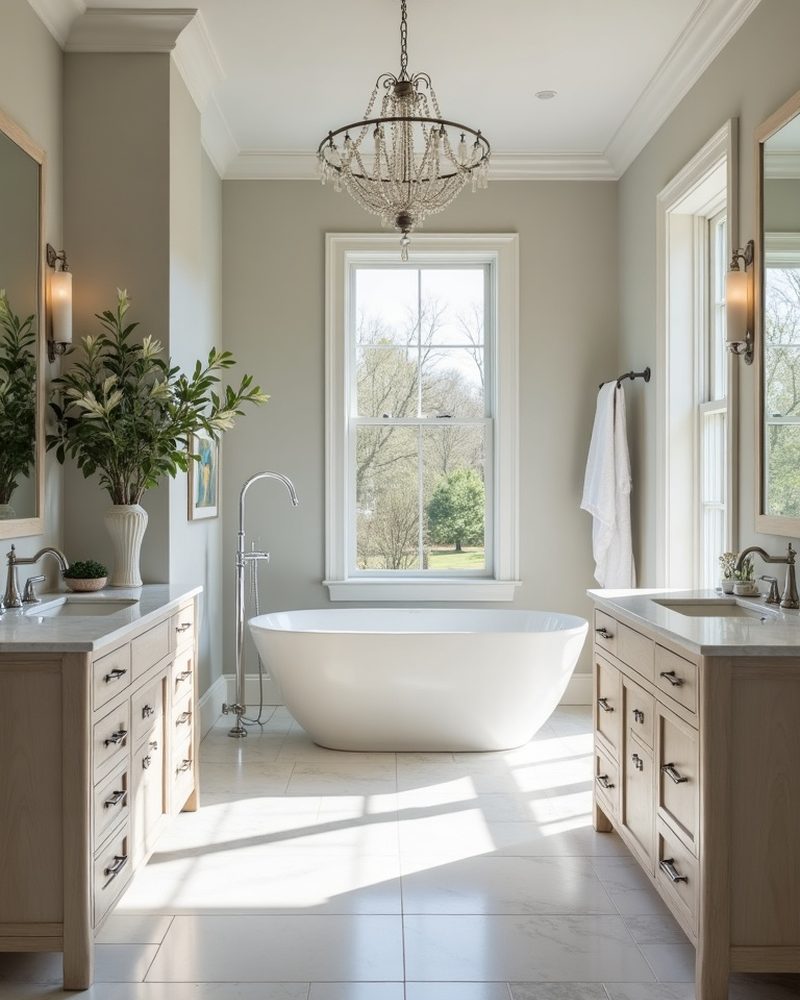
If you are selling, small targeted investments can produce outsized returns in Gwinnett markets. Focus on neutral paint, curb improvements that show a cared for lot, and kitchen or bath refreshes that address dated finishes rather than full remodels. Sellers who price with accurate neighborhood comps and present a clean inspection report often secure faster offers and fewer renegotiations. Staging to match buyer expectations for your neighborhood — family friendly, amenity rich, commuter convenient — matters more than expensive upgrades that don’t align with local demand.
Negotiation in today’s environment favors preparedness. Buyers should get preapproval from a lender who understands Gwinnett County financing realities and can explain local appraisal practices. Sellers should have competitive pricing backed by comparable sales and a transparent disclosure package. Both sides benefit from a timeline that accommodates inspections, repairs, and closing logistics without surprise delays.
Pay attention to features Gwinnett buyers consistently value. Reliable HVAC, updated roofs, and efficient windows reduce future costs and appeal to a broad buyer pool. Flexible space that can serve as a home office, multi generation living, or a rental suite adds appeal across market cycles. Outdoor living and privacy are also premium features in many Gwinnett neighborhoods, so highlight usable yards, patios, and mature tree buffers when marketing.
Long term thinking matters. Whether you plan to live in your home five years or twenty, consider the neighborhood trajectory. Areas with new schools, expanding retail, and infrastructure investment tend to outpace areas without those elements. Conversely, be cautious about homes near planned high density changes if you prefer lower traffic and long term privacy.
Here are practical next steps for buyers and sellers in Gwinnett County:
1. Build a local comparable sales file for the specific neighborhood you care about.
2. Confirm school zones and recent rezoning proposals.
3. Get a locally experienced lender preapproval or a cost estimate for repairs.
4. Prioritize two to three must have features and two tradeoffs.
5. Work with an agent who provides neighborhood level pricing trends and inspection guidance.
