Local real estate headlines often focus on median price changes and flashy renovations, but buyers and sellers in Gwinnett County get the best outcomes when they pay attention to the subtler forces that shape long term value. This guide explains the practical signals that matter today and will remain relevant over time whether you are considering homes for sale in Suwanee, Lawrenceville, Duluth, Buford, Sugar Hill, Dacula or the surrounding Gwinnett communities.
Start with the right neighborhood signals not just trends. A desirable street in Gwinnett is defined by multiple layers: school boundaries, commute routes, access to grocery and healthcare, HOA strength, and the mix of single family and new construction nearby. These factors influence buyer demand more reliably than short term price spikes. When evaluating a property, map the nearest elementary, middle and high schools and note any planned road or transit projects that change commute times to major employment centers in the Atlanta metro area.
Inventory levels and listing quality tell you when to act. Low available homes in a given price band can boost selling prices quickly, while an oversupply gives buyers leverage. But listing quality matters too: professional photography, floor plans, and accurate room data shorten days on market and increase offers. Sellers who invest modestly in targeted fixes and staging often net more than the cost of the improvements. Buyers who understand the level of competing inventory can structure offers with the right contingencies and closing timelines.
New construction and resale each have predictable long term tradeoffs in Gwinnett County. New builds offer modern systems, warranties, and community amenities, but can be priced above comparable resale properties and face slower appreciation in some pockets. Resale homes often have mature landscaping and established neighborhood character that many buyers value. Evaluate the total cost of ownership: energy efficiency, recent major updates, and projected HOA dues can shift the real value equation beyond the listing price.
Small, local amenities create outsized value. Proximity to parks, highly rated local restaurants, and convenient retail clusters can be a stronger driver of steady demand than surface cosmetic improvements. In Gwinnett, access to green space, trails and family-friendly community centers is repeatedly cited by buyers looking for longevity and neighborhood quality. For sellers, identifying and highlighting these small assets in marketing materials delivers measurable buyer interest.
Make inspection and inspection follow up a strategic advantage. Structural and system issues drive real renegotiations more often than paint or carpets. Buyers should prioritize inspections that uncover drainage, roof, HVAC and foundation concerns common to older Gwinnett properties. Sellers benefit from pre-listing inspections that let them correct or disclose issues proactively and price competitively.
School lines and future development change long term resale prospects. Even if you are not currently impacted by a specific school boundary, future rezoning or the reputation of a feeder pattern can influence buyers. Likewise, new commercial or residential developments can transform neighborhood dynamics; some increase home values by bringing amenities, while others add traffic and change desirability. Track county planning notices and pay close attention to the type of development proposed within a one to three mile radius.
Smart pricing beats emotional pricing. Sellers who price at or slightly below comparable active listings attract more showings and multiple-offer scenarios. Buyers who present clean, well-timed offers with reasonable earnest money and a clear plan for contingencies stand out in a competitive Gwinnett market. Work with a local agent who knows real sale prices in your exact neighborhood rather than relying on broad county averages.
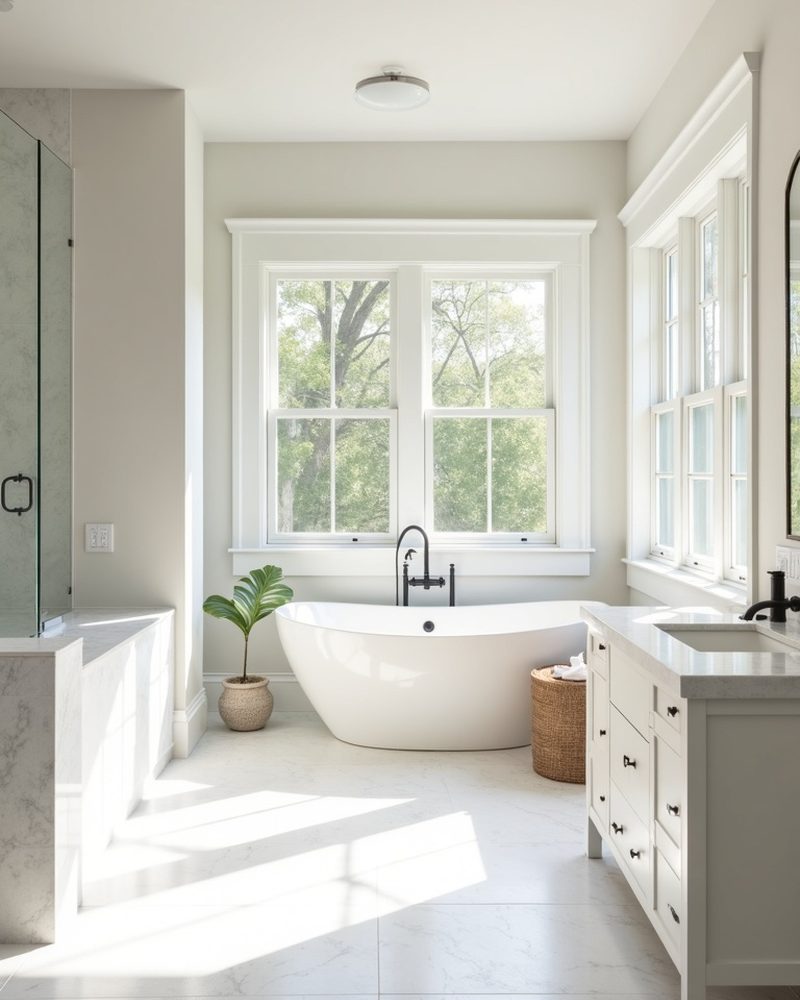
Small investments with big returns. Consider energy upgrades, minor kitchen or bath refreshes, and landscape improvements that enhance curb appeal without over-improving for the neighborhood. In many Gwinnett neighborhoods, these moves yield substantial buyer interest for modest dollars. Conversely, avoid major overbuilds that don’t align with the surrounding homes if resale within the neighborhood is a priority.
For buyers, set a realistic timeline and a priority list. Decide which features you can be flexible on and which are nonnegotiable. For sellers, prepare a concise packet of neighborhood data, recent utility bills, and maintenance history to give buyers confidence and speed negotiations. Both sides benefit from a clear plan for inspections, financing steps, and realistic contingencies.
If you want tailored market insight for a specific Gwinnett neighborhood or current listings that match your goals, visit
www.newhomesingwinnettcounty.com for neighborhood pages, active listings and local market snapshots. The Rains Team is available to answer questions or provide a custom market analysis—call 404-620-4571 for immediate help planning your next move in Gwinnett County.
